

Optimizing Warehouse Operations for Scale
Technology has become one of the driving forces behind the evolution of modern supply chains. As global commerce continues to expand and customer expectations grow, businesses are increasingly relying on advanced logistics technologies to improve efficiency, reduce operational costs, strengthen visibility, and maintain reliable supply chain performance. From transportation management systems and real-time tracking to artificial intelligence and automation, technology is transforming the way goods move across local and international markets.
Traditional supply chain operations often relied heavily on manual processes, limited communication, and delayed information sharing. These inefficiencies created challenges in inventory management, shipment tracking, delivery scheduling, and operational planning. Today, digital transformation allows businesses to manage logistics operations with greater speed, accuracy, and transparency than ever before.
One of the most significant technological advancements in supply chain management is real-time visibility. Modern tracking systems allow businesses to monitor shipments throughout every stage of transportation, from warehouse dispatch to final delivery. Real-time shipment tracking improves operational transparency, helps businesses respond quickly to delays or disruptions, and gives customers accurate delivery updates that improve overall satisfaction.
Transportation management systems have also revolutionized logistics operations. These digital platforms help businesses coordinate freight movement, optimize transportation routes, manage carrier relationships, reduce fuel costs, and improve delivery efficiency. By automating transportation planning and operational workflows, companies can reduce manual errors and improve supply chain performance.

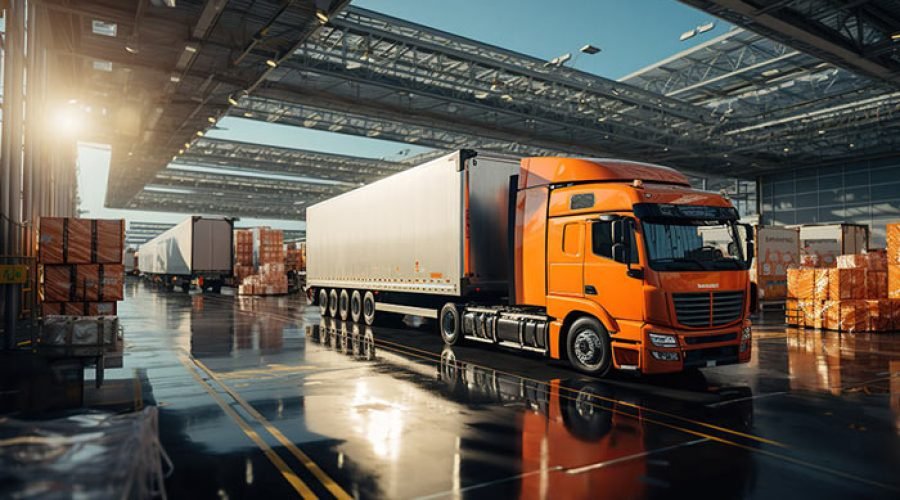
Sustainable Logistics Practices Explained Clearly
Artificial intelligence and predictive analytics are playing an increasingly important role in supply chain decision-making. AI-powered systems analyze large amounts of logistics data to forecast demand, identify supply chain risks, optimize delivery routes, and improve inventory planning. Predictive analytics helps businesses anticipate disruptions, adjust operations proactively, and maintain better control over supply chain performance.
Automation continues to transform logistics operations across transportation, warehousing, and distribution networks. Automated systems reduce repetitive manual tasks, improve operational consistency, increase productivity, and lower operational costs. From automated order processing to robotic warehouse systems and digital shipment management, automation helps businesses build faster and more efficient logistics operations.
- Confidence Boosters: How Coaching Can Transform Your Mindset
- Why Emotional Intelligence Matters in Business Leadership
- Why More CEOs Are Turning to Coaches in Today’s Economy
- Balancing Business Growth and Personal Life: A Coaching Perspective


1 Comment
Nobis sed aliquam ad. Porro blanditiis facilis Et sint assumenda aliquid sint. laudantium iure dolorem est. Amet repudiandae facere officia tempore. Dolorem commodi asperiores repellendus molestiae sint. aperiam quod. Saepe dolores praesentium sed aliquid. Iusto id aut sint. Enim alias ipsam sint eum reprehenderit minima. Eius ab ad quaerat sint commodi. Modi perferendis consequatur provident. adipisci neque eos sunt ipsum provident. Vel tempora velit. Alias et Commodi qui sit Fugiat ipsum Praesentium rerum inventore rerum accusantium quos aperiam quibusdam.