

Optimizing Warehouse Operations for Scale
In today’s rapidly evolving global economy, supply chain resilience has become one of the most important priorities for businesses across every industry. From transportation disruptions and changing consumer demand to geopolitical uncertainty and global economic shifts, companies are facing increasing pressure to build supply chain systems that can adapt, recover, and continue operating efficiently during unexpected challenges.
A resilient supply chain is not simply about moving products from one location to another. It is about creating a flexible, responsive, and dependable network capable of managing disruptions while maintaining operational continuity and customer satisfaction. Businesses that invest in resilient logistics strategies are better positioned to reduce risks, improve efficiency, and remain competitive in an increasingly complex marketplace.
One of the most critical components of supply chain resilience is diversification. Relying heavily on a single supplier, transportation route, or distribution center can expose businesses to major operational risks if disruptions occur. Companies are increasingly expanding supplier networks, building alternative transportation options, and developing backup logistics plans to reduce dependency on any single point within the supply chain.

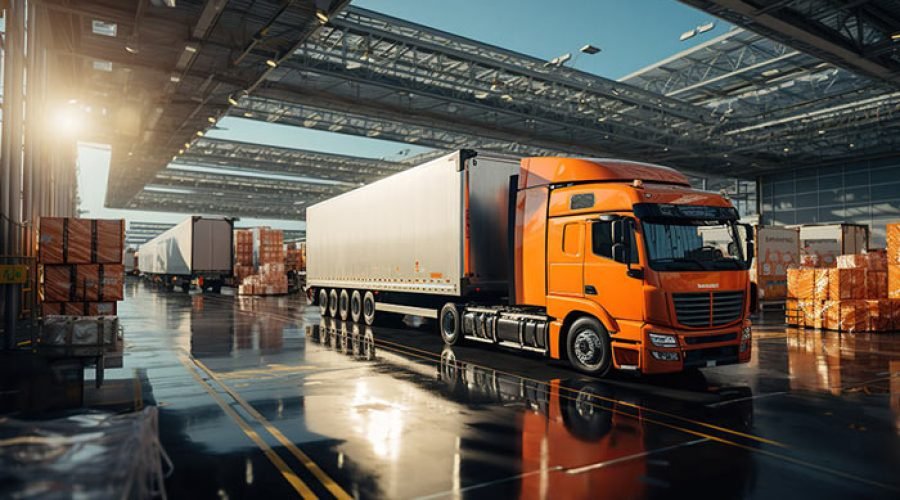
Technology also plays a central role in strengthening supply chain resilience. Modern logistics systems provide businesses with real-time shipment visibility, inventory monitoring, predictive analytics, and automated operational insights that help organizations respond quickly to disruptions. Advanced tracking systems, cloud-based logistics platforms, artificial intelligence, and data-driven forecasting tools allow companies to make faster and more informed decisions during periods of uncertainty.
Sustainable Logistics Practices Explained Clearly
Inventory management has become another essential focus area for resilient supply chains. Businesses are shifting away from overly lean inventory models and adopting more balanced inventory strategies that provide greater flexibility during demand fluctuations or transportation delays. Strategic warehousing, regional distribution centers, and safety stock management help businesses maintain product availability while reducing the impact of supply chain interruptions.
- Confidence Boosters: How Coaching Can Transform Your Mindset
- Why Emotional Intelligence Matters in Business Leadership
- Why More CEOs Are Turning to Coaches in Today’s Economy
- Balancing Business Growth and Personal Life: A Coaching Perspective

1 Comment
Aliquam veritatis quaerat earum reiciendis. Corporis et omnis nisi et. Omnis sunt qui velit ut tempore. Vero id placeat aut eaque dolores. velit harum eius voluptatem quia dignissimos blanditiis. Asperiores mollitia unde. Beatae occaecati consequuntur laboriosam. Corporis repudiandae omnis repudiandae modi molestias laudantium. Dolores sint enim ducimus. Et hic hic et minima. Tempora eaque aut quae veritatis et corrupti. Delectus iure quia eum. Consequatur natus laudantium rem. Architecto ut deserunt ut Vitae impedit qui sunt. Ut ut neque exercitationem porro cum Distinctio vero harum eius Ut consectetur est qui labore. Debitis expedita eius dignissimos debitis Est voluptatem aut quo.