

Optimizing Warehouse Operations for Scale In today’s rapidly evolving global economy, supply chain resilience has become one of the most important priorities for businesses across every industry. From transportation disruptions and changing consumer demand to geopolitical uncertainty and global economic shifts, companies are facing increasing pressure to build supply chain systems that can adapt, recover, and continue operating efficiently during unexpected challenges. A resilient supply chain is not simply about moving products from one location to another. It is about creating a flexible, responsive, and dependable network capable of managing disruptions while maintaining operational continuity and customer satisfaction. Businesses that invest in resilient logistics strategies are better positioned to reduce risks, improve efficiency, and remain competitive in an increasingly complex marketplace. One of the most critical components of supply chain resilience is diversification. Relying heavily on a single supplier, transportation route, or distribution center can expose businesses to major operational risks if disruptions occur. Companies are increasingly expanding supplier networks, building alternative transportation options, and developing backup logistics plans to reduce dependency on any single point within the supply chain. Technology also plays a central role in strengthening supply chain resilience. Modern logistics systems provide businesses with real-time shipment visibility, inventory monitoring, predictive analytics, and automated operational insights that help organizations respond quickly to disruptions. Advanced tracking systems, cloud-based logistics platforms, artificial intelligence, and data-driven forecasting tools allow companies to make faster and more informed decisions during periods of uncertainty. Sustainable Logistics Practices Explained Clearly Inventory management has become another essential focus area for resilient supply chains. Businesses are shifting away from overly lean inventory models and adopting more balanced inventory strategies that provide greater flexibility during demand fluctuations or transportation delays. Strategic warehousing, regional distribution centers, and safety stock management help businesses maintain product availability while reducing the impact of supply chain interruptions. Confidence Boosters: How Coaching Can Transform Your Mindset Why Emotional Intelligence Matters in Business Leadership Why More CEOs Are Turning to Coaches in Today’s Economy Balancing Business Growth and Personal Life: A Coaching Perspective
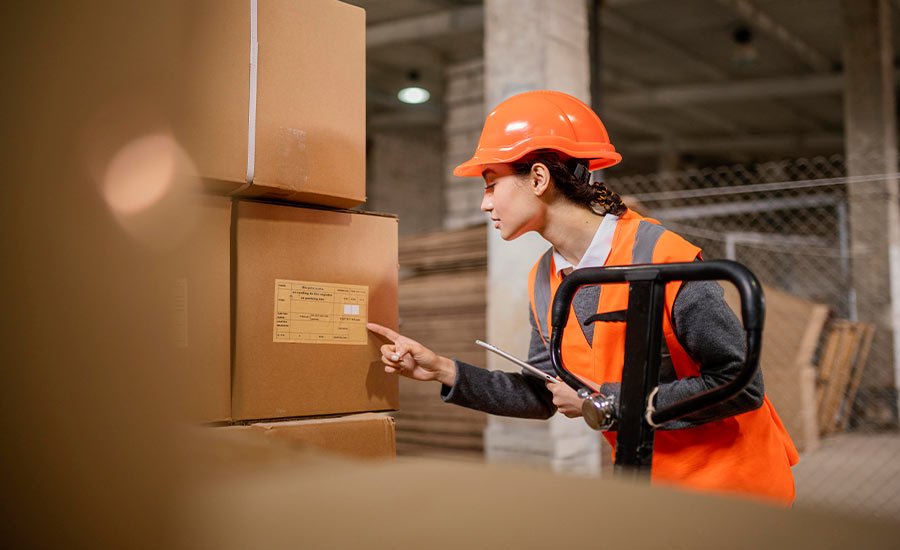
How Customs Brokerage Simplifies Trade
Optimizing Warehouse Operations for Scale International trade plays a vital role in the global economy, allowing businesses to expand into new markets, access international suppliers, and deliver products to customers around the world. However, cross-border shipping involves complex customs regulations, documentation requirements, import duties, inspections, and compliance procedures that can create delays and operational challenges for businesses. This is where customs brokerage services become essential. Customs brokerage simplifies international trade by helping businesses manage the complex processes involved in importing and exporting goods across borders. Customs brokers act as intermediaries between businesses, transportation providers, and government customs authorities to ensure shipments comply with all legal and regulatory requirements. One of the primary responsibilities of a customs broker is managing shipping documentation. International shipments often require detailed paperwork including commercial invoices, bills of lading, certificates of origin, customs declarations, import permits, export licenses, and cargo classification records. Incorrect or incomplete documentation can result in shipment delays, fines, additional inspections, or denied entry into certain countries. Customs brokers help ensure all required paperwork is prepared accurately and submitted on time. Customs brokers also assist businesses with tariff classification and duty calculations. Different products are subject to varying import duties, taxes, and customs fees depending on the type of goods being transported and the destination country’s regulations. Proper classification of products under international tariff systems is critical for maintaining compliance and avoiding costly penalties. Experienced customs brokers understand these classification systems and help businesses calculate accurate duties and taxes for their shipments. Sustainable Logistics Practices Explained Clearly Businesses involved in international trade often face challenges related to changing trade policies, tariffs, sanctions, and global economic conditions. Customs brokers help companies navigate these complexities by providing guidance on trade regulations, import/export procedures, and compliance strategies. This support becomes especially valuable for businesses entering new international markets or expanding global supply chain operations. Technology has also transformed modern customs brokerage services. Digital customs systems, automated documentation processing, shipment tracking platforms, and integrated logistics software now allow brokers to manage customs procedures more efficiently and provide businesses with greater visibility into international shipping operations. Real-time tracking and digital communication improve transparency and help businesses stay informed throughout the customs clearance process. Confidence Boosters: How Coaching Can Transform Your Mindset Why Emotional Intelligence Matters in Business Leadership Why More CEOs Are Turning to Coaches in Today’s Economy Balancing Business Growth and Personal Life: A Coaching Perspective
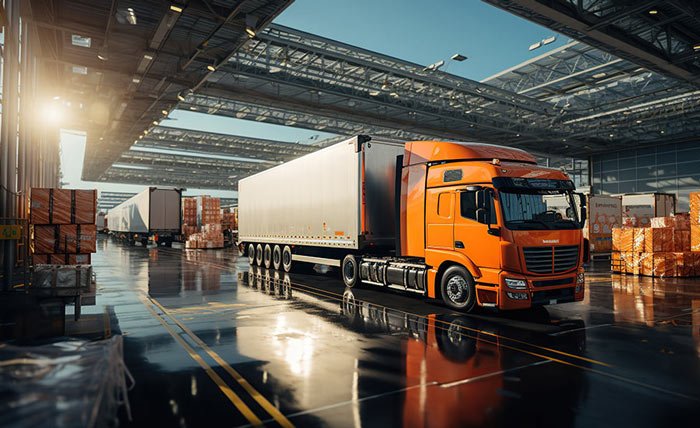
Reducing Costs Through Smarter Logistics
Optimizing Warehouse Operations for Scale In today’s competitive business environment, companies are constantly searching for ways to reduce operational expenses while maintaining high levels of service and efficiency. Logistics plays a major role in overall business costs, making smarter logistics management one of the most effective ways to improve profitability, strengthen supply chain performance, and support long-term business growth. Smarter logistics is not simply about transporting goods from one place to another at the lowest possible cost. It involves optimizing every stage of the supply chain to improve efficiency, reduce waste, streamline operations, and maximize resource utilization. Businesses that invest in strategic logistics planning can significantly reduce transportation expenses, warehousing costs, delivery delays, and inventory inefficiencies. One of the most important ways companies reduce costs through smarter logistics is route optimization. Transportation expenses often represent a significant portion of supply chain costs, especially for businesses handling frequent deliveries or long-distance freight operations. Advanced logistics software and route planning systems help businesses identify the most efficient transportation routes, reduce fuel consumption, minimize empty miles, and improve delivery scheduling. Efficient route management lowers operational costs while also improving delivery performance and customer satisfaction. Inventory management is another critical area where smarter logistics can reduce expenses. Excess inventory ties up capital, increases storage costs, and creates a higher risk of product waste or obsolescence. On the other hand, insufficient inventory can lead to stock shortages, delayed deliveries, and lost sales opportunities. Modern inventory management systems allow businesses to monitor stock levels in real time, forecast demand more accurately, and maintain balanced inventory levels that support operational efficiency. Transportation flexibility is another important component of cost-effective logistics management. Businesses that use multiple transportation methods including road freight, rail freight, air cargo, and sea freight can choose the most efficient and affordable shipping solutions based on cargo type, delivery urgency, and transportation distance. Intermodal logistics strategies allow businesses to optimize shipping costs while maintaining reliable delivery performance. Sustainable Logistics Practices Explained Clearly Warehousing efficiency also contributes significantly to cost reduction. Businesses that optimize warehouse layouts, automate inventory tracking, and improve order fulfillment processes can reduce labor costs, improve productivity, and increase operational accuracy. Smart warehousing systems help businesses streamline product movement, reduce handling errors, and improve overall supply chain coordination. Technology continues to transform the logistics industry by providing businesses with greater visibility and operational control. Real-time shipment tracking, automated logistics platforms, artificial intelligence, predictive analytics, and cloud-based transportation management systems help companies make faster and more informed decisions. These tools improve operational transparency, reduce manual processes, and help businesses identify inefficiencies before they become costly problems. Confidence Boosters: How Coaching Can Transform Your Mindset Why Emotional Intelligence Matters in Business Leadership Why More CEOs Are Turning to Coaches in Today’s Economy Balancing Business Growth and Personal Life: A Coaching Perspective

How Technology Transforms Supply Chains
Optimizing Warehouse Operations for Scale Technology has become one of the driving forces behind the evolution of modern supply chains. As global commerce continues to expand and customer expectations grow, businesses are increasingly relying on advanced logistics technologies to improve efficiency, reduce operational costs, strengthen visibility, and maintain reliable supply chain performance. From transportation management systems and real-time tracking to artificial intelligence and automation, technology is transforming the way goods move across local and international markets. Traditional supply chain operations often relied heavily on manual processes, limited communication, and delayed information sharing. These inefficiencies created challenges in inventory management, shipment tracking, delivery scheduling, and operational planning. Today, digital transformation allows businesses to manage logistics operations with greater speed, accuracy, and transparency than ever before. One of the most significant technological advancements in supply chain management is real-time visibility. Modern tracking systems allow businesses to monitor shipments throughout every stage of transportation, from warehouse dispatch to final delivery. Real-time shipment tracking improves operational transparency, helps businesses respond quickly to delays or disruptions, and gives customers accurate delivery updates that improve overall satisfaction. Transportation management systems have also revolutionized logistics operations. These digital platforms help businesses coordinate freight movement, optimize transportation routes, manage carrier relationships, reduce fuel costs, and improve delivery efficiency. By automating transportation planning and operational workflows, companies can reduce manual errors and improve supply chain performance. Sustainable Logistics Practices Explained Clearly Artificial intelligence and predictive analytics are playing an increasingly important role in supply chain decision-making. AI-powered systems analyze large amounts of logistics data to forecast demand, identify supply chain risks, optimize delivery routes, and improve inventory planning. Predictive analytics helps businesses anticipate disruptions, adjust operations proactively, and maintain better control over supply chain performance. Automation continues to transform logistics operations across transportation, warehousing, and distribution networks. Automated systems reduce repetitive manual tasks, improve operational consistency, increase productivity, and lower operational costs. From automated order processing to robotic warehouse systems and digital shipment management, automation helps businesses build faster and more efficient logistics operations. Confidence Boosters: How Coaching Can Transform Your Mindset Why Emotional Intelligence Matters in Business Leadership Why More CEOs Are Turning to Coaches in Today’s Economy Balancing Business Growth and Personal Life: A Coaching Perspective

Managing Project Cargo Successfully Today
Optimizing Warehouse Operations for Scale Project cargo management has become an increasingly important part of global logistics and transportation operations. As industries such as construction, energy, manufacturing, mining, infrastructure, and engineering continue to expand worldwide, businesses are relying on specialized logistics solutions to transport oversized, heavy, high-value, and complex cargo safely and efficiently. Successfully managing project cargo today requires detailed planning, coordination, risk management, and advanced logistics expertise. Unlike standard freight shipments, project cargo often involves large industrial equipment, machinery, structural components, turbines, generators, construction materials, and specialized cargo that cannot be transported using conventional shipping methods. These shipments frequently require customized transportation planning, specialized handling equipment, route analysis, regulatory approvals, and multi-modal logistics coordination. One of the most critical factors in successful project cargo management is early planning. Large-scale cargo operations involve multiple transportation stages, tight delivery schedules, regulatory compliance requirements, and operational risks that must be carefully managed before transportation begins. Detailed logistics planning allows businesses to identify potential challenges, evaluate transportation routes, coordinate permits, and prepare specialized equipment necessary for safe cargo movement. Route analysis plays a major role in project cargo transportation. Oversized and heavy shipments often face restrictions related to road conditions, bridge capacities, tunnel clearances, port access, rail limitations, and infrastructure constraints. Logistics teams must carefully evaluate transportation routes to ensure cargo can move safely and efficiently from origin to destination without unnecessary delays or safety risks. Sustainable Logistics Practices Explained Clearly Specialized equipment is another essential component of project cargo logistics. Depending on the size, weight, and nature of the shipment, transportation may require heavy-lift cranes, modular trailers, flat racks, specialized containers, rail systems, barges, or custom loading equipment. Proper equipment selection helps ensure safe handling, cargo stability, and efficient transportation throughout the project. Multi-modal transportation strategies are frequently used in project cargo operations. Combining road freight, sea freight, rail transportation, and air cargo allows logistics providers to move complex shipments across long distances and international markets more efficiently. Coordinating multiple transportation methods requires strong communication, operational visibility, and precise scheduling to maintain project timelines and delivery accuracy. Confidence Boosters: How Coaching Can Transform Your Mindset Why Emotional Intelligence Matters in Business Leadership Why More CEOs Are Turning to Coaches in Today’s Economy Balancing Business Growth and Personal Life: A Coaching Perspective
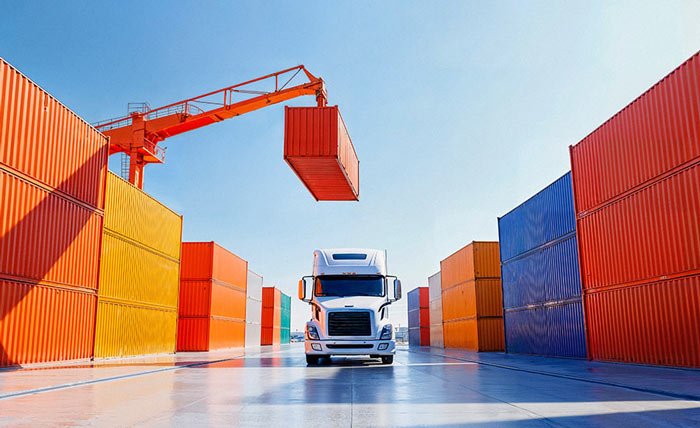
How Modern Logistics Improves Efficiency
Optimizing Warehouse Operations for Scale Modern logistics has transformed the way businesses manage transportation, warehousing, inventory, and supply chain operations. In today’s fast-moving global economy, efficiency is one of the most important factors influencing business success. Companies must deliver products quickly, maintain accurate inventory levels, reduce operational costs, and meet growing customer expectations while navigating increasingly complex supply chain networks. Modern logistics solutions help businesses achieve these goals through advanced technology, smarter transportation strategies, automation, and improved operational coordination. Traditional logistics operations often relied heavily on manual processes, paper documentation, limited shipment visibility, and disconnected transportation systems. These methods frequently resulted in delays, inventory shortages, communication gaps, and higher operational expenses. Modern logistics systems now provide businesses with real-time visibility, automated workflows, data-driven planning, and integrated supply chain management that significantly improve operational efficiency. One of the most important ways modern logistics improves efficiency is through real-time tracking and shipment visibility. Businesses can now monitor cargo movement, delivery progress, inventory levels, and transportation schedules throughout every stage of the supply chain. Real-time logistics data allows companies to respond quickly to delays, optimize operations, improve customer communication, and maintain greater control over supply chain performance. Transportation management systems have become essential tools for improving logistics efficiency. These systems help businesses optimize delivery routes, reduce fuel consumption, coordinate carriers, manage freight schedules, and improve transportation planning. Smarter route optimization reduces travel time, lowers transportation costs, minimizes delivery delays, and improves resource utilization across logistics operations. Warehouse operations have also become more efficient through modern logistics technology. Advanced warehouse management systems help businesses automate inventory tracking, organize storage space, streamline order fulfillment, and improve stock accuracy. Automated barcode scanning, RFID technology, robotics, and digital inventory systems reduce manual errors while increasing operational speed and productivity. Sustainable Logistics Practices Explained Clearly Inventory management is another area where modern logistics significantly improves efficiency. Businesses can now use predictive analytics and demand forecasting tools to maintain balanced inventory levels and avoid both overstocking and stock shortages. Real-time inventory visibility helps organizations improve purchasing decisions, reduce storage costs, and maintain smooth product availability across distribution networks. Confidence Boosters: How Coaching Can Transform Your Mindset Why Emotional Intelligence Matters in Business Leadership Why More CEOs Are Turning to Coaches in Today’s Economy Balancing Business Growth and Personal Life: A Coaching Perspective