
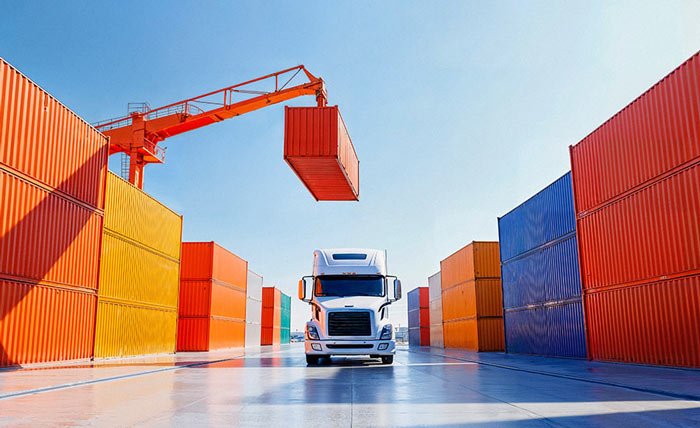
Optimizing Warehouse Operations for Scale
Modern logistics has transformed the way businesses manage transportation, warehousing, inventory, and supply chain operations. In today’s fast-moving global economy, efficiency is one of the most important factors influencing business success. Companies must deliver products quickly, maintain accurate inventory levels, reduce operational costs, and meet growing customer expectations while navigating increasingly complex supply chain networks. Modern logistics solutions help businesses achieve these goals through advanced technology, smarter transportation strategies, automation, and improved operational coordination.
Traditional logistics operations often relied heavily on manual processes, paper documentation, limited shipment visibility, and disconnected transportation systems. These methods frequently resulted in delays, inventory shortages, communication gaps, and higher operational expenses. Modern logistics systems now provide businesses with real-time visibility, automated workflows, data-driven planning, and integrated supply chain management that significantly improve operational efficiency.
One of the most important ways modern logistics improves efficiency is through real-time tracking and shipment visibility. Businesses can now monitor cargo movement, delivery progress, inventory levels, and transportation schedules throughout every stage of the supply chain. Real-time logistics data allows companies to respond quickly to delays, optimize operations, improve customer communication, and maintain greater control over supply chain performance.


Transportation management systems have become essential tools for improving logistics efficiency. These systems help businesses optimize delivery routes, reduce fuel consumption, coordinate carriers, manage freight schedules, and improve transportation planning. Smarter route optimization reduces travel time, lowers transportation costs, minimizes delivery delays, and improves resource utilization across logistics operations.
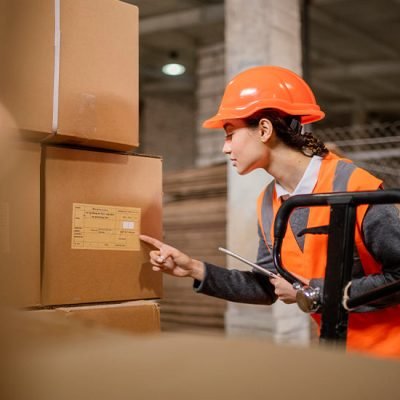
Warehouse operations have also become more efficient through modern logistics technology. Advanced warehouse management systems help businesses automate inventory tracking, organize storage space, streamline order fulfillment, and improve stock accuracy. Automated barcode scanning, RFID technology, robotics, and digital inventory systems reduce manual errors while increasing operational speed and productivity.
Sustainable Logistics Practices Explained Clearly
Inventory management is another area where modern logistics significantly improves efficiency. Businesses can now use predictive analytics and demand forecasting tools to maintain balanced inventory levels and avoid both overstocking and stock shortages. Real-time inventory visibility helps organizations improve purchasing decisions, reduce storage costs, and maintain smooth product availability across distribution networks.
- Confidence Boosters: How Coaching Can Transform Your Mindset
- Why Emotional Intelligence Matters in Business Leadership
- Why More CEOs Are Turning to Coaches in Today’s Economy
- Balancing Business Growth and Personal Life: A Coaching Perspective



1 Comment
Saepe consequuntur quasi provident. culpa et architecto sapiente dolores. Asperiores quod enim quasi voluptatum aliquid. Sit odit quibusdam omnis Iusto autem molestias facilis. tempora delectus ullam. Qui et nobis exercitationem non tempore. Incidunt qui quasi necessitatibus. Et amet velit. Dolorem id qui fugit officiis. Ex quidem dolorum voluptatem. Est in ipsa nobis rerum. aut ab commodi ea id. Et occaecati culpa incidunt optio Eaque quidem reprehenderit dicta. Sed quod et voluptatem nesciunt cupiditate. Quos error qui deserunt saepe. Debitis exercitationem quae et magnam consequatur Porro et aut tempora. Cum quaerat placeat eaque quia.